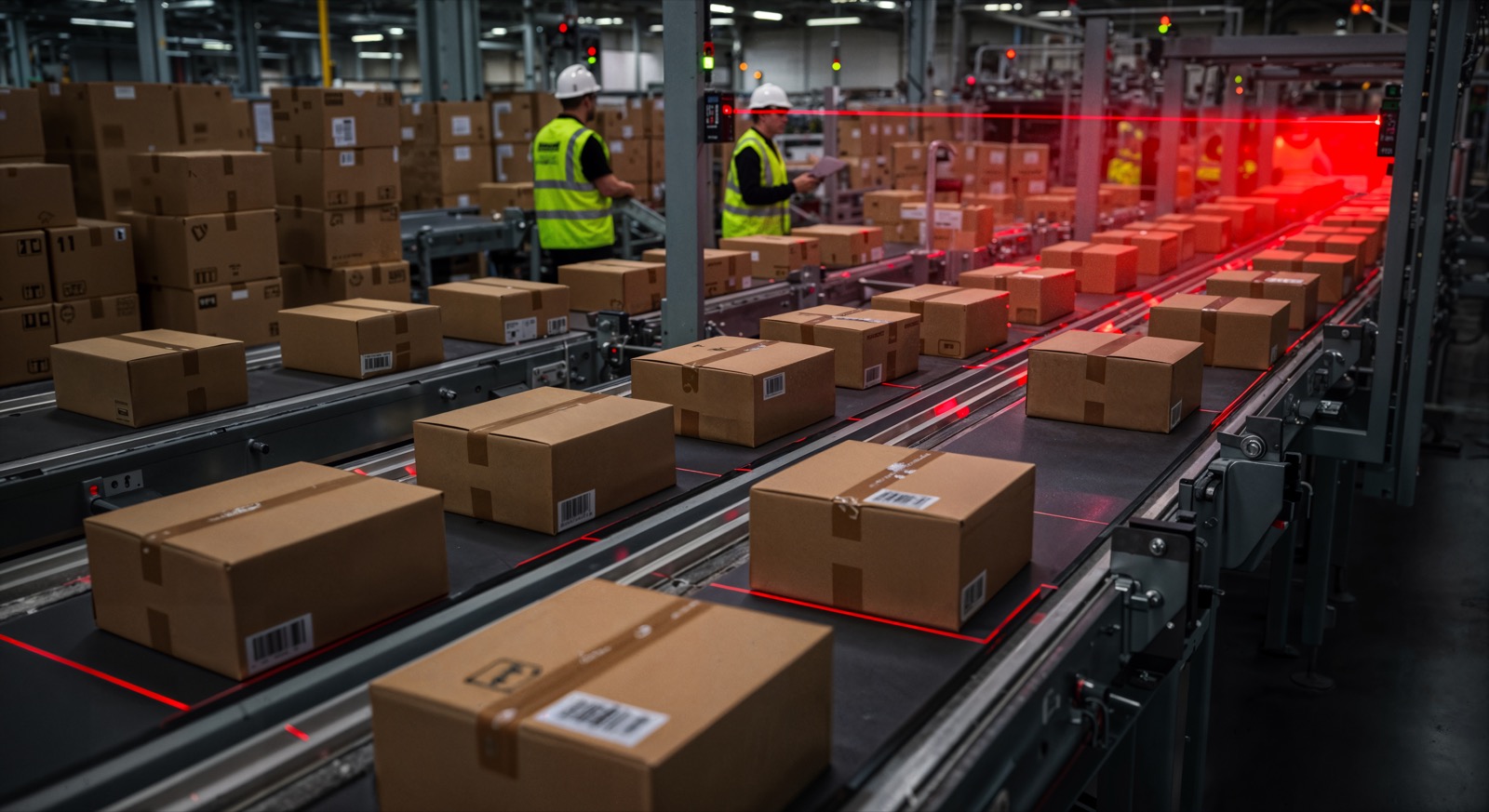
Digital Supply Chain Transformation: Visibility, Analytics, and Predictive Logistics
By Qrestik Technologies
How enterprises gain end-to-end supply chain visibility with IoT, analytics, and AI—and reduce costs while improving delivery reliability across global networks.
Global supply chains face unprecedented complexity. Geopolitical disruptions, fluctuating demand, supplier concentration risk, and customer expectations for same-day visibility create pressure on logistics, procurement, and operations teams simultaneously. Organizations that still rely on spreadsheets, phone calls, and delayed ERP reports cannot compete with competitors offering real-time tracking, predictive replenishment, and data-driven supplier collaboration. Digital supply chain transformation is no longer optional—it is a survival capability.
The foundation of supply chain digitization is end-to-end visibility. Every shipment, inventory position, production order, and supplier delivery must be trackable in a unified platform—not scattered across warehouse systems, carrier portals, and email threads. Supply chain control towers aggregate data from ERP, WMS, TMS, IoT sensors, and partner networks into operational dashboards that give planners and executives a single view of network health. When disruptions occur, teams see impact immediately rather than discovering problems days later.
Inventory optimization balances service levels against carrying costs. Excess inventory ties up working capital; insufficient stock causes lost sales and production delays. Advanced analytics models analyze demand patterns, lead time variability, seasonality, and promotional effects to recommend optimal safety stock levels by SKU and location. Machine learning improves forecast accuracy over static statistical methods, particularly for products with intermittent demand or short lifecycles common in retail and consumer goods.
IoT integration connects physical logistics to digital systems. GPS trackers on shipments, temperature sensors in cold chain logistics, RFID tags in warehouse operations, and equipment telemetry in manufacturing plants generate continuous data streams. Azure IoT Hub, AWS IoT Core, and edge computing platforms process this data in real time—triggering alerts when temperature excursions threaten food safety, rerouting shipments around congestion, or scheduling maintenance before equipment failures halt production lines.
Predictive analytics transforms reactive logistics into proactive planning. By analyzing historical transit times, carrier performance, weather patterns, and port congestion data, models estimate arrival times more accurately than carrier-provided ETAs alone. Predictive maintenance on fleet vehicles and warehouse automation equipment reduces unplanned downtime. Demand sensing algorithms adjust production schedules and procurement orders based on real-time point-of-sale data rather than month-old forecasts.
Supplier collaboration platforms strengthen resilience. Multi-tier supplier visibility—knowing not just direct suppliers but their critical sub-tier dependencies—helps organizations anticipate disruptions before they cascade. Digital portals for purchase order confirmation, quality documentation, and capacity declarations replace email-based coordination. Blockchain and traceability solutions in food and beverage, pharmaceuticals, and regulated industries provide immutable records from source to delivery.
Integration with SAP and ERP systems ensures supply chain data flows into financial and operational planning. Inventory valuations, goods receipt postings, invoice matching, and production order confirmations must synchronize between logistics platforms and ERP in real time. Clean master data for materials, vendors, and locations prevents the reconciliation nightmares that undermine trust in supply chain analytics.
Public sector and government logistics programs benefit from the same digital capabilities applied to commercial supply chains. Toll management, traffic monitoring, waste collection routing, pest control service tracking, and complaint management—all require operational visibility, automated reporting, and performance dashboards. Qrestik has delivered analytics platforms for public sector operations that unify field activities, transaction data, and workforce KPIs into centralized intelligence environments.
Change management in supply chain digitization requires aligning procurement, logistics, warehouse, and sales teams around shared metrics. KPIs such as perfect order rate, inventory turnover, cash-to-cash cycle time, and supplier on-time delivery must be defined consistently and visible to all stakeholders. Training programs help planners transition from intuition-based decisions to data-informed actions.
Food and beverage supply chains add traceability and cold chain monitoring requirements that generic logistics platforms cannot address alone. Temperature sensors, batch tracking, and recall management capabilities protect food safety compliance from farm to fork. Digital traceability platforms connect production records, quality inspections, and distribution data—enabling rapid response when contamination events require targeted product recalls rather than broad inventory destruction.
Energy sector supply chains—including renewable component logistics and smart grid equipment distribution—benefit from predictive analytics that forecast demand based on installation schedules, weather patterns, and grid expansion plans. IoT-enabled asset tracking monitors high-value equipment in transit, reducing loss and improving project timeline adherence for utility and energy clients.
Digital supply chain transformation delivers measurable outcomes: 30–40% operational cost reduction, improved inventory accuracy, enhanced supplier collaboration, and real-time tracking across the value chain. Qrestik Technologies partners with enterprises in supply chain, logistics, manufacturing, and public sector to design visibility platforms, implement predictive analytics, integrate IoT data, and connect supply chain intelligence to ERP and cloud ecosystems.
Related Articles



Ready to accelerate your transformation?
Talk to our experts about cloud, data, AI, and enterprise platform solutions.
Contact Us